Editorials on artificial intelligence: impact, ethics and the future

There was a time when, to learn how to judge others' work, you first had to do it yourself, and judgment was the slow fruit of experience, mistakes, a...

We've all talked about the researcher who resigned from Anthropic. For days in September, headlines chased percentages of risk, the word superintellig...
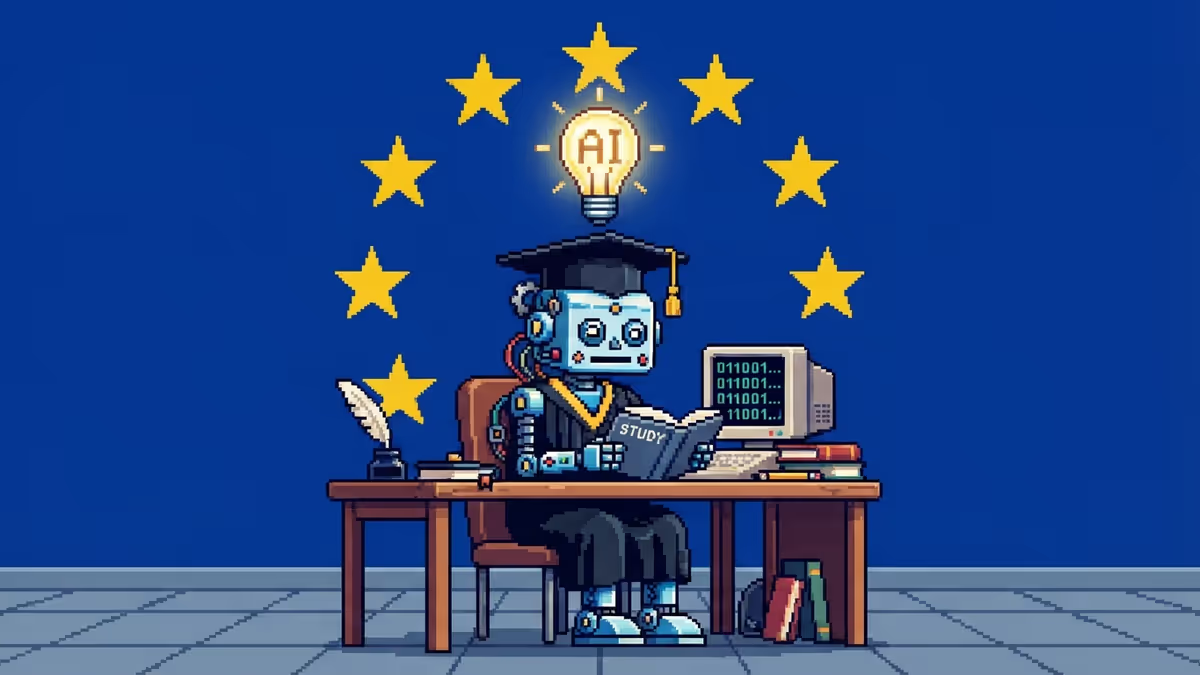
Two years after its entry into force, the European AI Act is proving to be much more than a simple regulatory framework. What many initially considere...
There's a misconception creeping through the tech world, and it's becoming increasingly cumbersome. I see it every day: companies waving the flag of i...
There was always one, on board, who saw it first. Baricco wrote this in Novecento, referring to America seen from the deck of a transatlantic ship. To...
Artificial intelligence could pose an existential risk to humanity by the end of this decade. This isn't the plot of a dystopian movie, but the warnin...
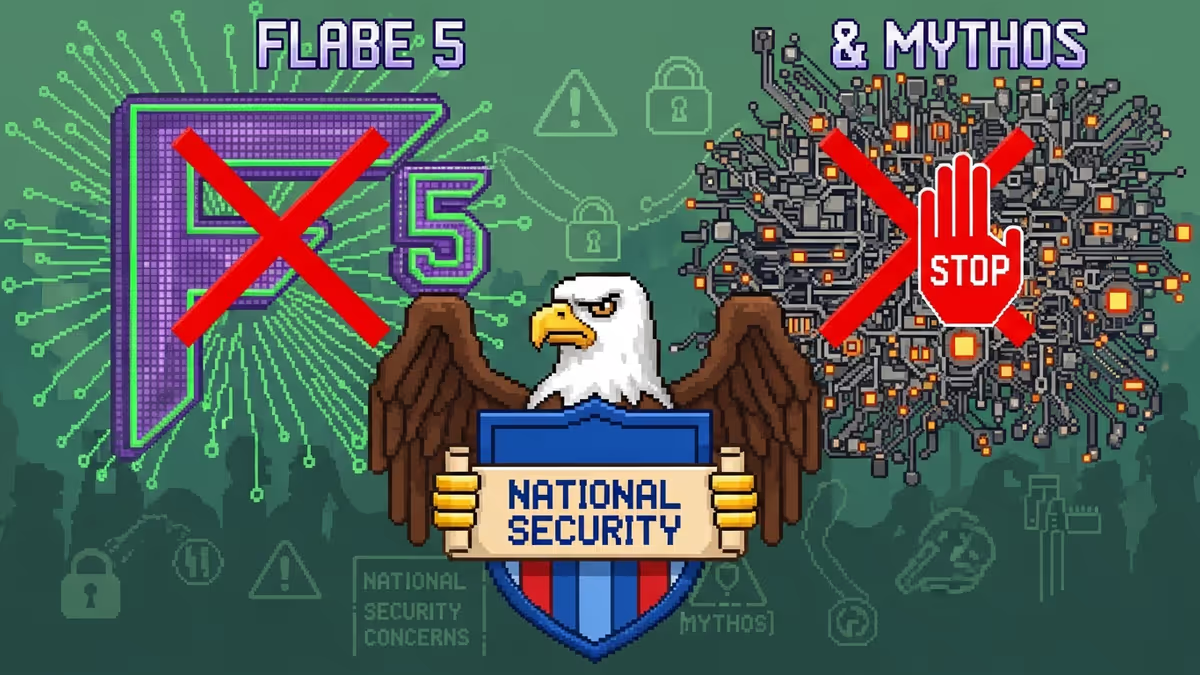
In a shocking turn of events that has shaken the artificial intelligence industry, the United States government has issued an export control directive...

Il dibattito sull'intelligenza artificiale si arricchisce di una voce particolarmente autorevole: quella di Dario Amodei, CEO di Anthropic, una delle ...
Reflections on AI, beyond the news
The editorials are where I stop and think. Not about the feature that has just been released, but about what artificial intelligence is changing in work, in companies and in society: who decides how these systems are developed, which risks we accept, and which opportunities we risk losing out of fear or haste.
Rules, safety and responsibility
Some themes keep coming back: the AI Act and the literacy obligation for anyone who uses AI at work (here is where we stand), the debate on the safety of the most powerful models, the voices of the people who build them, such as Dario Amodei, and of those who leave those labs out of concern.
Innovation with both feet on the ground
These are not technical pieces: they are reasoned opinions, written by someone who trains people and helps companies adopt AI every day. The aim is to offer a point of view, not a truth: the innovation we need is the kind that improves people's work, not the kind that makes the most noise.